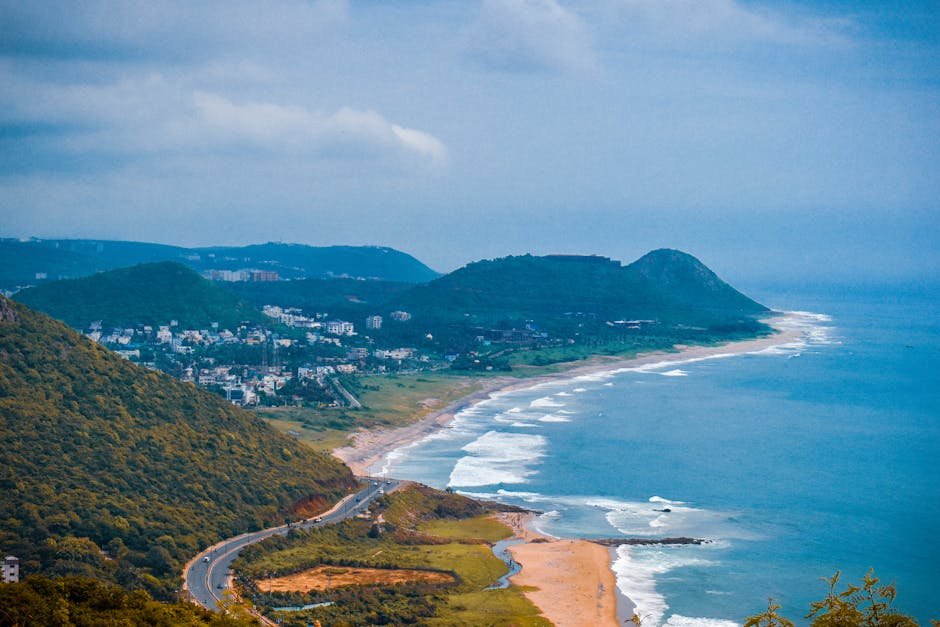
Visakhapatnam Steel Plant (VSP), also known as Rashtriya Ispat Nigam Limited (RINL), stands as a symbol of industrial progress and innovation on the east coast of India. Conceived in 1970 and inaugurated by Prime Minister Indira Gandhi, VSP was envisioned to boost steel production in southern India using state-of-the-art technology, a collaboration between India, the former USSR, and Germany
Historical Journey and Development
The idea of setting up the steel plant was announced in 1970, with the foundation laid in 1971. The 1980s marked substantial progress with the detailed project report completed, and the plant sanctioned in 1982 when RINL was formed as its corporate entity. The plant began production with a focus on long steel products including rebars, wire rods, channels, angles, blooms, and billets
Technical Excellence and Capacity
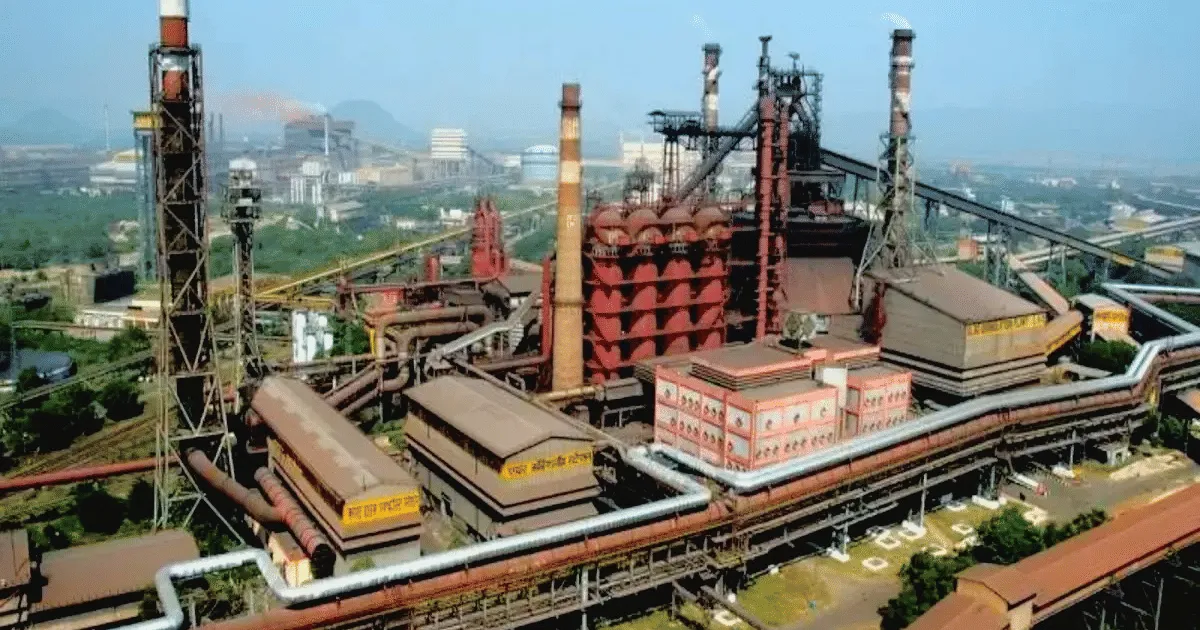
VSP is India’s only shore-based integrated steel plant, sprawling over 33,000 acres, equipped with cutting-edge automation, computerization, and technology. With an installed capacity of 6.3 million tonnes of liquid steel per annum which is planned to expand significantly, VSP has made strides in quality and productivity, earning the prestigious Navratna status. It is among India’s best places to work with a workforce of over 17,000 employees.
Economic Impact and Expansion
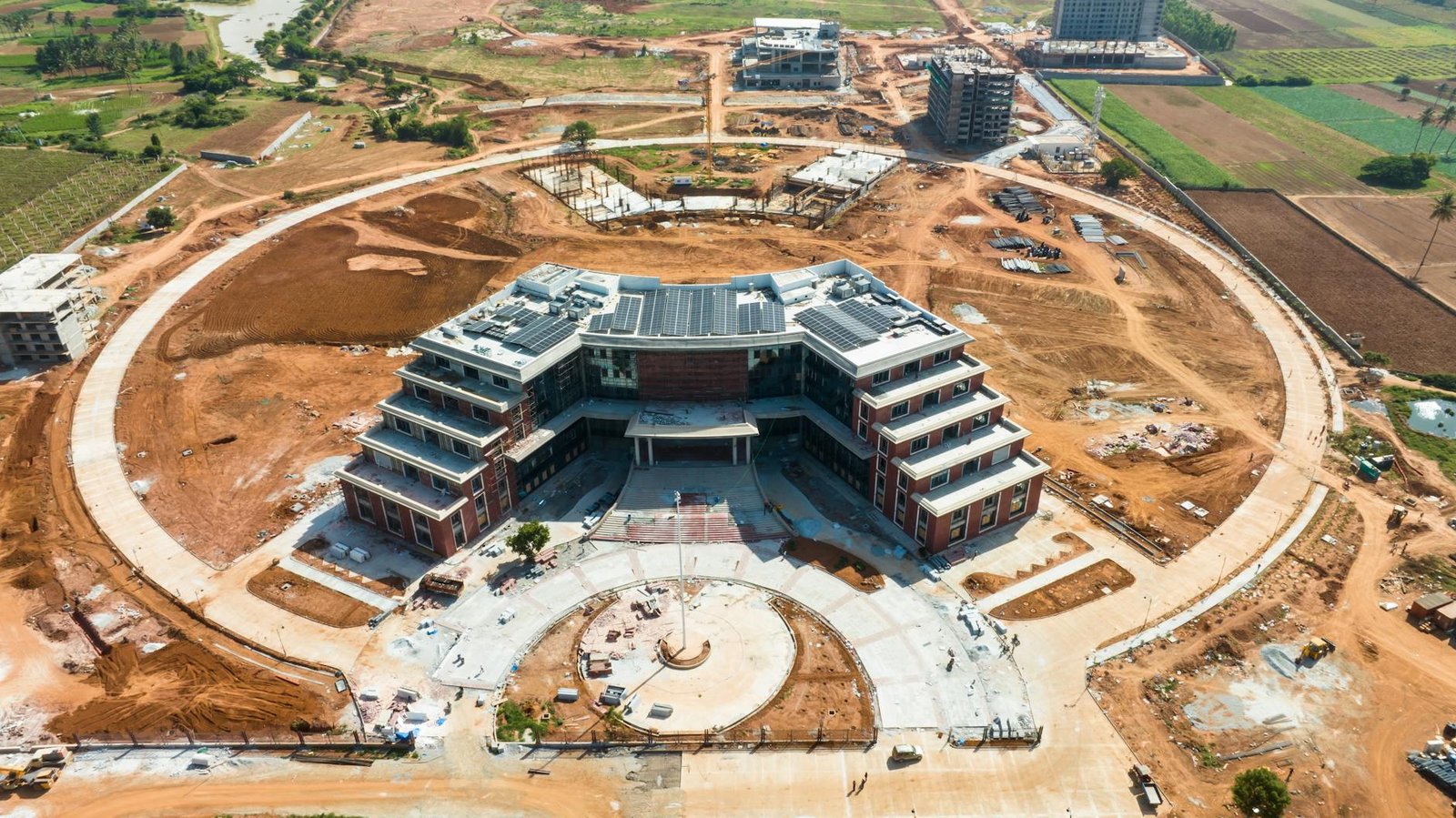
The plant contributes significantly to India’s steel sector and the regional economy of Andhra Pradesh. With major expansions underway, including projects worth thousands of crores of rupees, VSP aims to increase its capacity to meet the growing demands for specialized and construction-grade steel products. The plant plays a critical role in supporting infrastructure, automotive, construction, and other industrial sectors
Corporate and Social Responsibility
Beyond manufacturing, VSP actively engages in community development, environmental sustainability, education, and healthcare initiatives for surrounding areas, showcasing a commitment to holistic growth and social welfare.