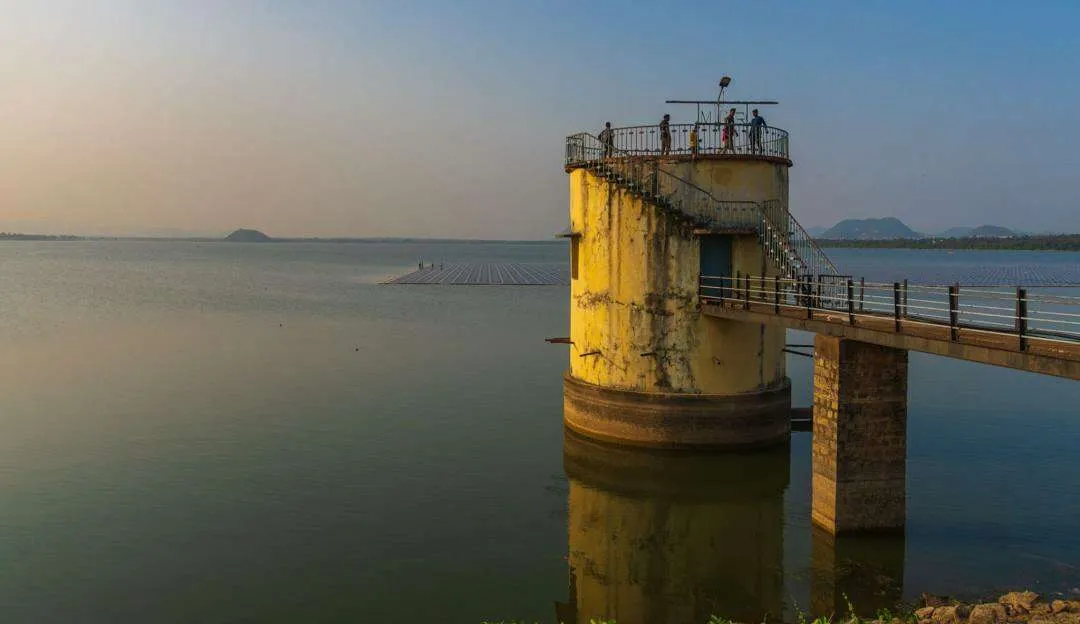
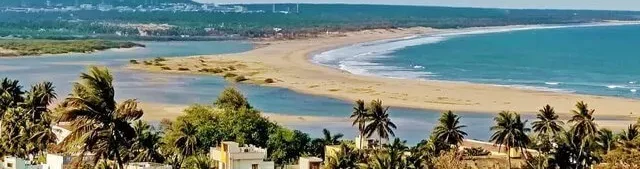
The Meghadri Gedda Reservoir, officially named the Sri Dronam Raju Satyanarayana Reservoir Scheme, is one of Visakhapatnam’s most vital water bodies and a unique spot of natural beauty. Established in 1977 and maintained by the Greater Visakhapatnam Municipal Corporation (GVMC), this reservoir is a primary source of drinking water for Vizag, supporting both its rapidly growing urban population and key industries like the Visakhapatnam Steel Plant and Hindustan Shipyard.
Features and Infrastructure
With a capacity of about 11 million gallons per day (MGD), the reservoir is engineered to be climate resilient. In 2022, Vizag commissioned a 3MW floating solar power plant atop the water, setting a sustainability benchmark—saving land, reducing evaporation, and promoting clean, renewable energy. The project is aided by the Asian Development Bank and is a model for urban climate change resilience.
Natural Beauty and Activities
Nestled between lush green hills and dotted by serene gardens, Meghadri Gedda Reservoir is a photographer’s delight and a beloved haven for nature enthusiasts. The banks are home to diverse migratory birds—egrets, bulbuls, and kingfishers—as well as a variety of fish and aquatic life. Despite its proximity to the city, the area remains calm, offering a peaceful escape far from urban crowds
Visiting Experience
The reservoir is open to the public year-round and entry is free. It provides picturesque walking and cycling trails through surrounding villages, opportunities for bird-watching, and splendid landscape photography. Visitors should note, however, that swimming is unsafe due to the reservoir’s depth, and there are limited amenities for sitting or relaxation, making it better suited for short nature outings.
Importance to Vizag
As one of Vizag’s oldest reservoirs, Meghadri Gedda has not just ecological, but cultural and economic importance, despite occasional threats of flooding during heavy monsoons. The floating solar panels have earned praise for making Vizag’s water infrastructure greener and more climate-resilient.