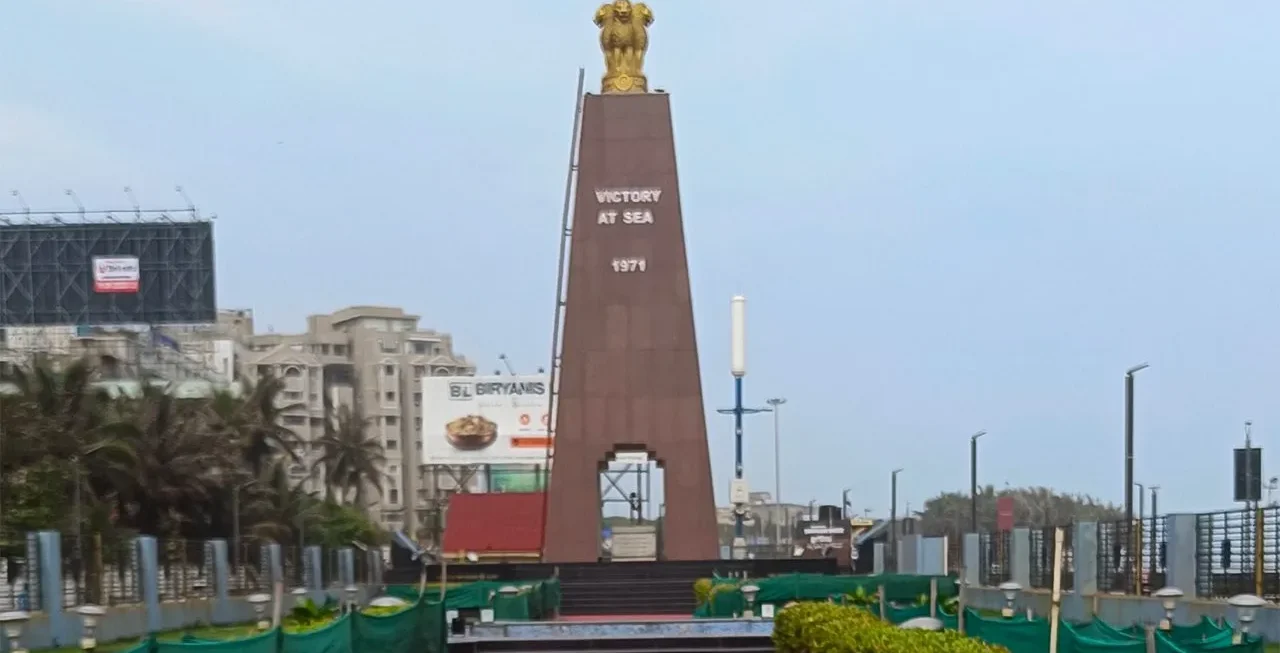
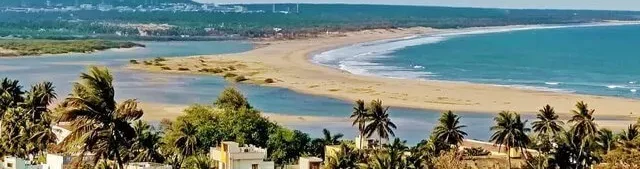
Mangamaripeta Beach is a picturesque and relatively lesser-known coastal destination located approximately 35 kilometers from Visakhapatnam city on the scenic Bheemili coastal road. This hidden gem offers a perfect blend of tranquility, adventure, natural beauty, and historical significance, making it an ideal retreat for nature lovers, photographers, history enthusiasts, and adventure seekers alike.
Historical and Archaeological Significance
Mangamaripeta holds deep historical roots tracing back to the ancient Kalinga Empire. The region served as a promotional center for Buddhism during the Maurya and Satavahana periods, evidenced by the presence of the Thotlakonda Buddhist Complex perched on a 128-meter-high hill adjacent to the beach. This ancient monastic complex, discovered through aerial surveys conducted by the Indian Navy, dates back to approximately 200 BCE to 200 CE and stands as a testament to the region's flourishing Buddhist heritage and maritime trade connections.
Natural Wonders and Geological Marvels
The defining feature of Mangamaripeta is its extraordinary Natural Arch—a geological wonder created through millions of years of marine erosion and wave action. This remarkable rock formation, part of the ancient Eastern Ghats mountain range dating back 800 to 1,600 million years, has been meticulously sculpted by the relentless pounding of Bay of Bengal waves over the last 6,000 years. The arch stands majestically against the sea, creating an awe-inspiring sight as waves crash against it with incredible force, only to recede and try again
Beach Features and Attractions
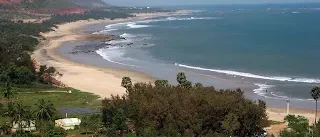
Mangamaripeta Beach stretches as a serene expanse of golden sand framed by lush green hills and coconut palm trees, creating a tropical paradise atmosphere. The beach is relatively less crowded compared to popular urban beaches, offering a peaceful environment ideal for sunbathing, leisurely beach walks, and picnicking. The calm, shallow waters are suitable for swimming, and the pristine environment makes it a haven for photography enthusiasts seeking to capture sunrise and sunset views reflecting beautifully over the sea
Water Sports and Adventure Activities
For adventure seekers, Mangamaripeta offers an exciting array of water sports and recreational activities. Visitors can enjoy parasailing, jet skiing, banana boat rides, kayaking, and the thrilling sport of zorbing ball—floating in a large inflatable sphere on water. These adrenaline-pumping activities make the beach a favorite destination for those seeking both relaxation and excitement.
Nearby Temples and Religious Sites
The beach area is enriched with spiritual and cultural heritage through several temples and religious landmarks. The nearby Ramadri Temple, Yernimamba Temple, and Chinna Jeer Swami Ashram provide visitors with opportunities for spiritual reflection. The proximity to these sacred sites combined with the beach's serene atmosphere creates a unique blend of spiritual and leisure tourism
Ecological and Dolphin Sightings
Mangamaripeta's pristine marine environment occasionally rewards visitors with dolphin sightings, a delightful experience that adds to the beach's charm and ecological significance. The clean, golden sands and clear blue waters support a variety of aquatic life, making the beach a biodiversity hotspot worth preserving.
Visiting Information and Best Practices
Location: Mangamaripeta village, near Thotlakonda, along the Bheemili coastal road
Distance from Vizag: Approximately 35 km from the city center
Entry Fee: Free
Best Time to Visit: October to March for pleasant weather
Ideal Duration: 1-2 hours
Nearby Attractions: Thotlakonda Buddhist Complex, Beach View Park, Mangamaripeta Bridge
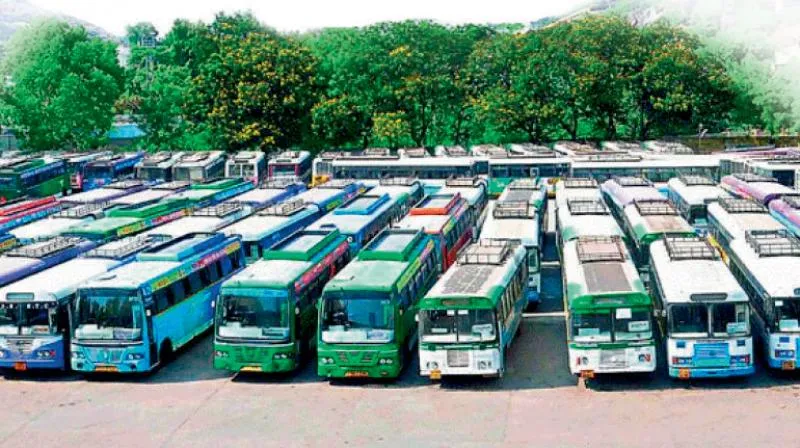
Transportation: APSRTC buses via routes 900K or 900T from Dwaraka bus station, or private cab services
Local Products: Famous for tiger prawn hatcheries in the surrounding village
Conservation Concerns
Geologists and environmental experts have raised concerns about the Natural Arch's vulnerability to damage from excessive tourist footfall. Conservation efforts are essential to protect this ancient geological formation for future generations, as it cannot be artificially restored or reconstructed.