Bavikonda Buddhist Complex in Visakhapatnam: An Ancient Spiritual Heritage Site
The Bavikonda Buddhist Complex is a prominent archaeological and spiritual site located near Visakhapatnam, Andhra Pradesh. Perched atop a hill approximately 130 meters above sea level, Bavikonda—meaning "Hill of Wells"—was a flourishing Buddhist monastery from around the 3rd century BCE to the 3rd century CE. This complex provides a fascinating glimpse into the early spread of Hinayana Buddhism and the maritime cultural connections of ancient Kalinga.
Historical Significance and Discoveries
Excavations at Bavikonda since the 1980s have revealed numerous stupas, viharas (monastic cells), prayer halls, dining areas, and rock-cut cisterns, indicating a self-sufficient monastic community. The construction features both brick and rock elements, with the grand Mahastupa as a centerpiece surrounded by smaller stupas and meditation caves. Archaeologists have unearthed relic caskets, Buddhist statues, coins of the Satavahana and Gupta dynasties, along with terracotta tablets, underscoring the complex’s importance as a religious and trading hub along the ancient maritime Silk Route.
Architectural Highlights
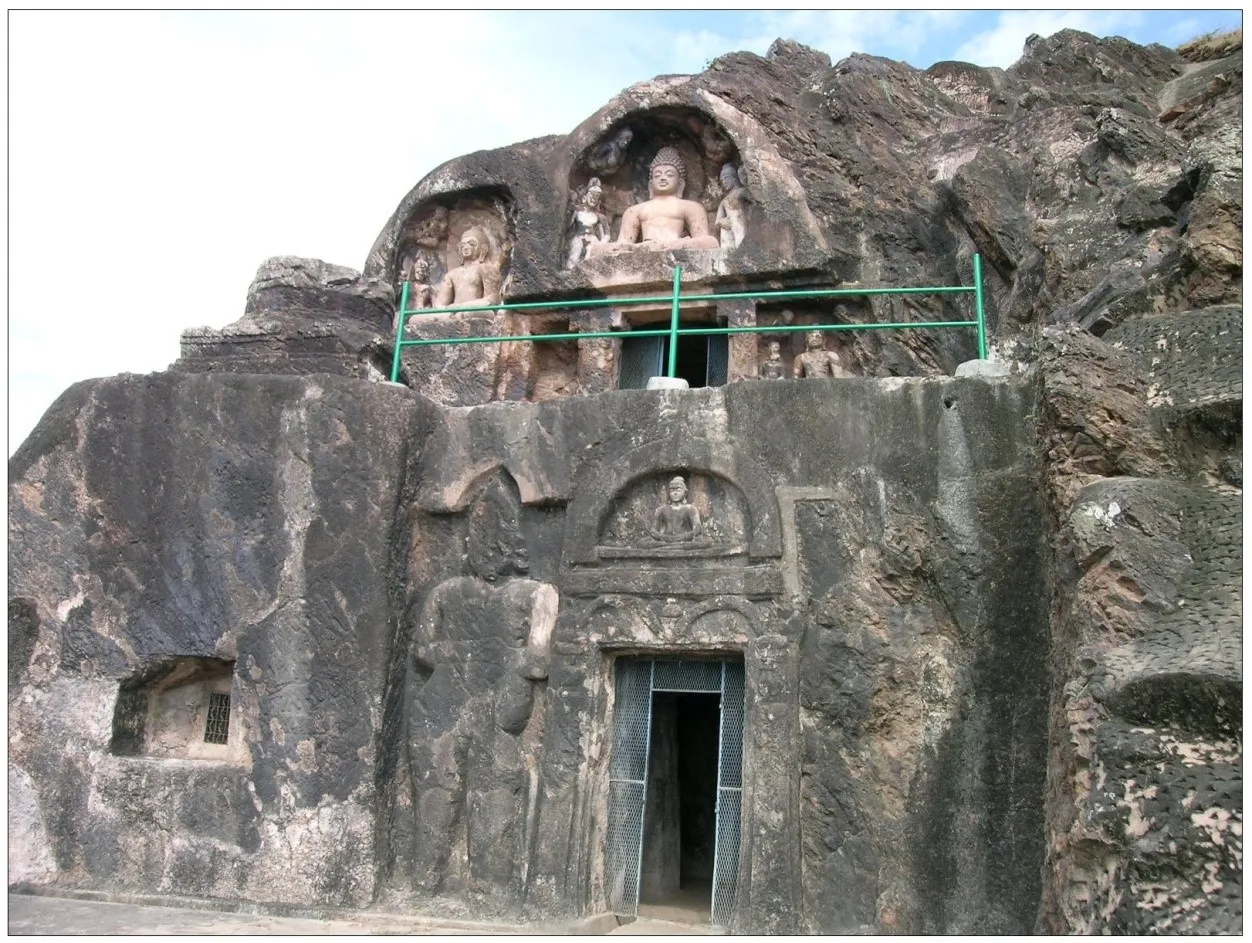
The stupas at Bavikonda exhibit distinctive brickwork, and the site’s water harvesting system with hundreds of wells gave the site its name. The monolithic stupas, carved Buddha images, and the paved pathways around the site reflect impressive craftsmanship and religious devotion. Key features include the Maha Stupa with a circumambulatory path, images of Buddha in meditative poses, and ancient carvings that narrate Buddhist teachings.
Visiting Experience
Visitors to Bavikonda today can explore the vast complex featuring well-preserved ruins, enjoy panoramic views of the surrounding landscapes, and experience the tranquility that once nurtured a vibrant spiritual community. Bavikonda is closely located to other Buddhist sites such as Thotlakonda and Pavurallakonda, making it part of a larger archaeological and cultural circuit in Visakhapatnam.
October to March is ideal for sightseeing here due to the pleasant weather. Visitors are encouraged to take guided tours to fully appreciate the historical and religious significance alongside the natural beauty.